
How to Choose the Right Sustainable Product for Your Brand in 2026
Discover how Australian businesses, marketing teams, and sports clubs can choose the right sustainable promotional product to align with their brand values.

Written by
Mei-Ling Ho
Eco & Sustainable Products
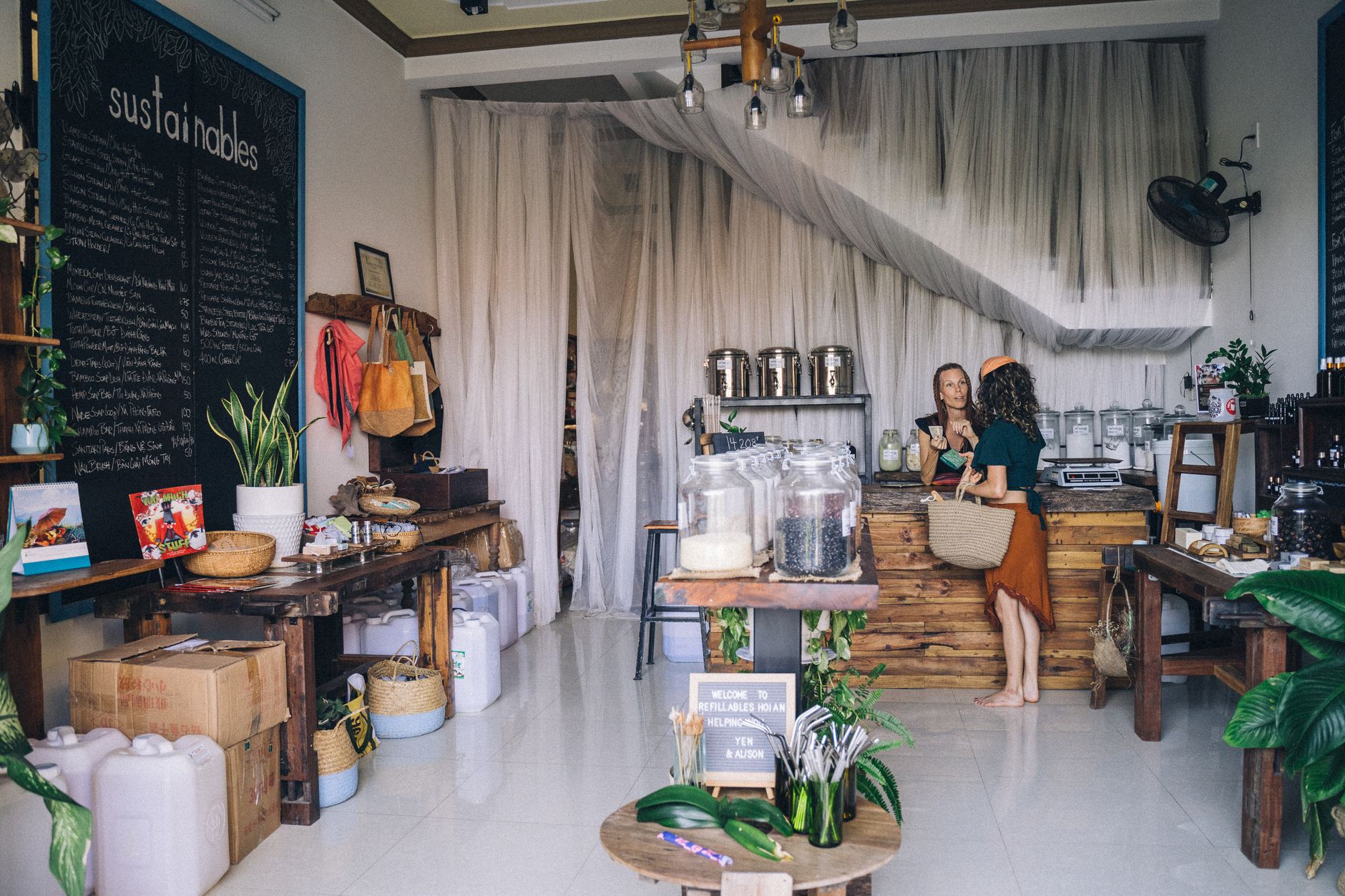
Choosing a sustainable product for your brand isn’t just a nice-to-have anymore — it’s fast becoming an expectation. Whether you’re a marketing manager in Sydney preparing for a major conference, a Melbourne sports club looking to refresh your member merchandise, or a Brisbane business sourcing end-of-year client gifts, the pressure to make environmentally responsible choices has never been stronger. Consumers, employees, and community members are paying close attention to what brands put their logos on, and a poorly chosen promotional item can do more harm than good. The good news? The range of genuinely sustainable promotional products available to Australian organisations in 2026 is broader, more affordable, and more impressive than ever before.
Why Sustainable Product Choices Matter More Than Ever
The shift toward sustainability in branded merchandise isn’t driven by trend alone — it reflects a genuine change in values across Australian workplaces, communities, and sporting organisations. A 2024 Edelman Trust Barometer report found that brand trust is increasingly tied to environmental accountability, with younger audiences in particular scrutinising the materials and ethics behind the products they receive.
For marketing teams, this creates both a challenge and an opportunity. Every promotional item you put into the world carries your brand identity. A cheaply made plastic giveaway that ends up in landfill within weeks sends a very different message than a high-quality reusable item that gets used daily for years. The latter builds positive brand associations, increases visibility, and demonstrates that your organisation walks the talk.
Beyond perception, there are practical considerations too. Government departments and councils across Australia — from Canberra to Perth — are increasingly mandating sustainable procurement criteria. Charities and not-for-profits are similarly held to high standards by their donors. If your organisation operates in any of these spaces, choosing a sustainable product isn’t optional; it’s a compliance issue.
For a broader introduction to the landscape, our guide to eco-friendly promotional products in Australia is a great starting point.
What Actually Makes a Product “Sustainable”?
This is where many organisations get tripped up. “Sustainable” is a broad term, and in the promotional products industry, it can refer to several different attributes. Understanding the distinctions will help you make more informed purchasing decisions.
Material Sourcing
Products made from recycled materials — such as recycled PET plastic (rPET), organic cotton, or post-consumer waste paper — reduce demand for virgin resources. Bamboo products are another popular category, as bamboo grows rapidly without pesticides or irrigation. Look for certifications such as GOTS (Global Organic Textile Standard) for textiles, or FSC (Forest Stewardship Council) for paper-based items.
Product Longevity
A sustainable product doesn’t have to be made from recycled materials if it’s built to last. A high-quality stainless steel keep cup that someone uses every day for five years has a far lower environmental footprint than a biodegradable item that’s only used once. Our breakdown of the best reuse coffee cup options for Australian brands explores this principle in depth.
End-of-Life Considerations
How does the product break down once it’s no longer useful? Compostable items, products made from a single material type (making recycling easier), or items with take-back or recycling programmes all score higher on this front.
Decoration Methods
Even the way a product is branded can affect its sustainability credentials. Water-based inks used in screen printing, recycled packaging, and low-waste decoration methods all contribute to a more responsible supply chain.
Top Sustainable Product Categories for Australian Brands
Once you understand what sustainability means in practice, the next step is identifying which product categories best suit your audience, use case, and budget. Here’s a breakdown of the most popular and effective options in 2026.
Reusable Drinkware
Reusable drinkware remains one of the strongest sustainable product categories available. Stainless steel water bottles, bamboo keep cups, and glass mugs with silicone sleeves are all popular choices for corporate gifting, conference merchandise, and staff recognition programmes. The daily use factor means these items generate enormous brand impressions over time.
Our promotional drinkware trends guide covers the latest styles Australian marketing teams are gravitating toward, including double-walled options that have become a staple for workplaces in Adelaide, Melbourne, and beyond.
Eco-Friendly Tote Bags
Custom tote bags are one of the most versatile sustainable products you can order. Made from organic cotton, jute, or recycled materials, they’re ideal for retail promotions, conference satchels, event giveaways, and school fundraisers. A well-designed customised tote bag can outlast dozens of plastic bags and becomes a walking advertisement for your brand every time it’s carried to the farmers’ market or grocery store.
Minimum order quantities (MOQs) for eco tote bags typically start at around 50–100 units, and turnaround times generally run between 10 and 15 business days once artwork is approved.
Recycled and Organic Apparel
Sustainable clothing is no longer limited to basic t-shirts. Recycled polyester fleeces, organic cotton polo shirts, and bamboo-blend activewear are all now available through Australian promotional suppliers. Whether you’re outfitting a Gold Coast sporting club or kitting out a Sydney corporate team for a fun run, there are eco-conscious options at every price point.
Our promotional clothing Australia guide covers the full range of apparel options, including decoration methods like water-based screen printing that complement sustainable fabric choices beautifully.
Reusable Straws and Sustainable Kitchen Accessories
Single-use plastics are increasingly banned or frowned upon across Australian states, making reusable alternatives an excellent choice for events, hospitality businesses, and health-conscious brands. Stainless steel, bamboo, and silicone straws are all practical giveaways with strong environmental messaging. Take a look at our reusable straws guide for decoration options and ordering tips.
Stationery with Sustainable Credentials
Recycled paper notebooks, seed paper notepads, and plant-based pens are excellent for conferences, trade shows, and school promotions. If you’re ordering bulk promotional pens, it’s worth asking your supplier about pens made from recycled plastics, bamboo, or wheat straw — these are increasingly available at competitive price points without significant MOQ increases.
Eco-Friendly Tech Accessories
Sustainable doesn’t mean low-tech. Solar-powered chargers, products made with recycled electronics components, and accessories packaged in FSC-certified cardboard are all emerging strongly. If your audience skews tech-savvy, explore promotional wireless chargers in Melbourne and ask about eco-packaging upgrades for any tech item you order.
Practical Tips for Ordering Sustainable Products
Understanding what’s available is one thing — successfully managing a sustainable merchandise project is another. Here are some practical tips to help your order go smoothly.
Start with Your Audience
The best sustainable product is one that actually gets used. A yoga mat made from natural rubber is a perfect fit for a fitness brand — and our guide to promotional yoga mats for gyms and fitness centres shows just how well these can work for health-focused organisations. But that same product would feel out of place for a law firm or a local sporting club. Match the item to the lifestyle and needs of your audience.
Budget Realistically
Sustainable products do sometimes carry a small premium over conventional alternatives, but the gap has narrowed significantly in recent years as demand has grown and supply chains have matured. For a full picture of what’s available at wholesale pricing, our guide to promotional products Australia wholesale is a helpful resource.
When budgeting, factor in the decoration method, any setup fees, and packaging. A bamboo pen with recycled seed paper packaging and full-colour pad printing will cost more than a standard pen — but the perceived value by the recipient is also considerably higher.
Plan Lead Times Carefully
Sustainable products occasionally have longer lead times than standard items, particularly if they’re sourced from ethical supply chains or require specialty decoration. For most eco-friendly items, allow a minimum of two to three weeks from artwork approval to delivery. For larger or more complex orders — say, an Adelaide business ordering custom stubby holders with eco-credentials for a major event — give yourself even more buffer time.
Ask the Right Questions
When speaking with a supplier, don’t just take “eco-friendly” claims at face value. Ask about certifications, material composition, country of origin, and packaging options. A reputable supplier will be transparent and able to provide documentation. If they’re vague or evasive, it may be worth looking elsewhere.
For businesses in regional Queensland, our promotional products in Cairns guide touches on sourcing considerations specific to regional markets.
Sustainability Across Different Sectors
It’s worth noting that sustainability looks slightly different depending on your industry. A Hobart hospitality business might prioritise compostable drinkware and reusable coffee cups, while a Darwin healthcare organisation might focus on items like eco-packaged wellness products or sustainably produced lanyards. A Perth sporting club sourcing branded footballs for sponsorship programmes might prioritise long-lasting, high-quality materials over specific eco-certifications.
The key takeaway is that sustainability is contextual. Your best sustainable product choice will depend on what your audience values, how the product will be used, and what your brand stands for.
Conclusion: Making Sustainable Choices That Stick
In 2026, choosing a sustainable product for your brand is one of the most impactful decisions you can make in your marketing and merchandise strategy. It signals to your audience that your organisation takes environmental responsibility seriously, it builds lasting brand recall through high-quality items that get used daily, and it future-proofs your procurement practices against increasingly stringent sustainability expectations.
Here are the key takeaways to carry with you:
- Match sustainability to your audience — the most eco-friendly product is one that genuinely gets used and valued by the recipient.
- Look beyond the label — ask suppliers about certifications, material composition, and end-of-life options rather than relying on marketing language alone.
- Factor in the full picture — consider longevity, decoration methods, and packaging as part of the sustainability assessment, not just the product material.
- Budget realistically but confidently — sustainable products offer strong perceived value and long-term brand impressions that justify the investment.
- Plan ahead — allow sufficient lead time, particularly for specialty eco items or large orders with complex decoration requirements.
Whether you’re just beginning your sustainable merchandise journey or refining an existing approach, the resources and product categories available to Australian organisations today make it entirely possible to build a brand with both impact and integrity.