
Eco Friendly Pens as Promotional Products: The Complete Australian Buyer's Guide
Discover how eco friendly pens can elevate your brand while reducing environmental impact. A practical guide for Australian marketing teams.

Written by
Claire Bassett
Stationery & Office
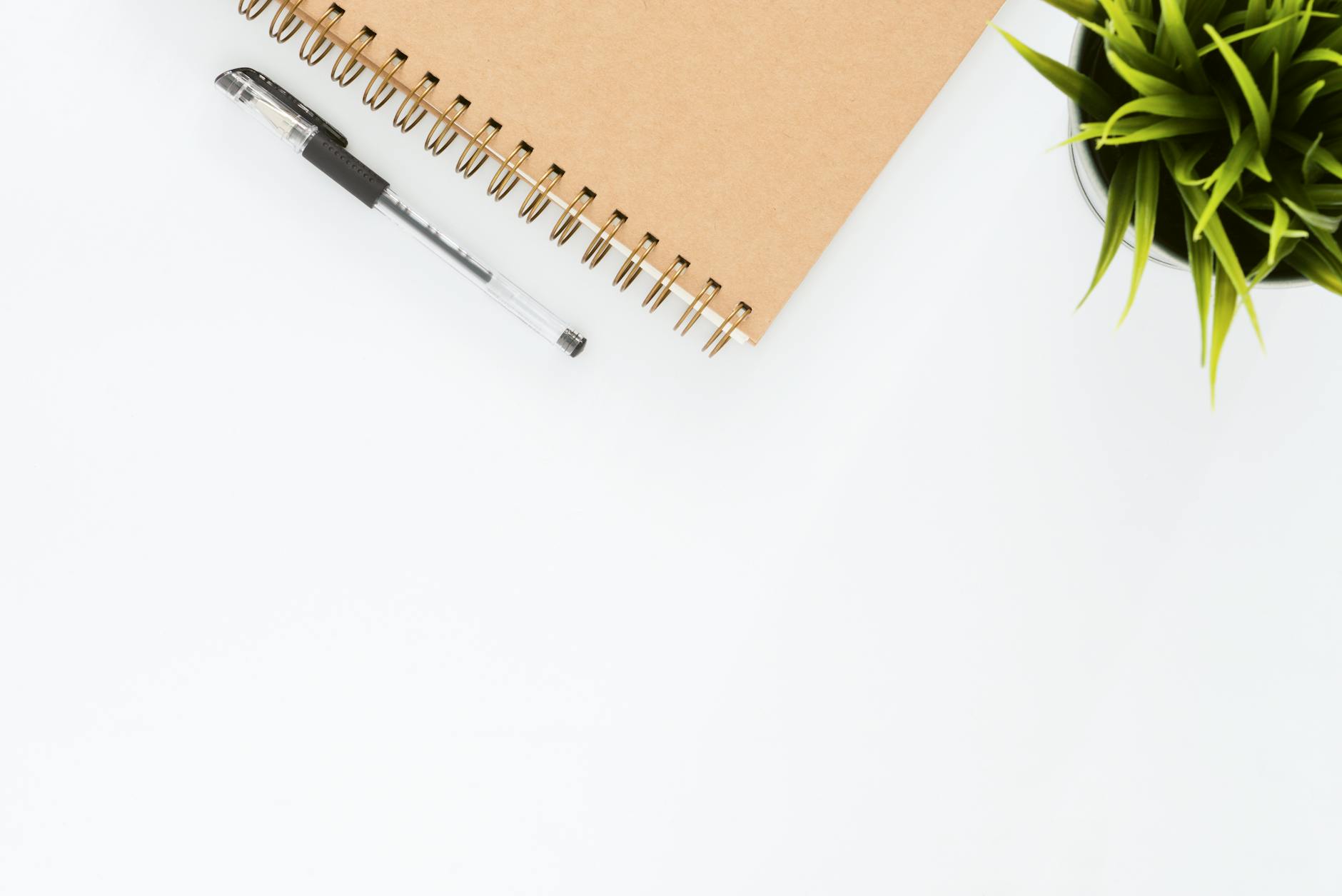
Choosing the right promotional product feels straightforward — until you realise your audience cares just as much about how something is made as they do about the logo on it. For Australian businesses, marketing teams, and sports clubs navigating the shift toward more conscious branding, the eco friendly pen has emerged as one of the smartest, most cost-effective ways to show your values without blowing your budget. Small enough to order in bulk, useful enough to stay on desks for months, and green enough to align with modern brand ethics — branded eco pens are quietly becoming one of the most requested items in the promotional stationery space.
Why the Eco Friendly Pen Has Become a Promotional Staple
The promotional pen has always punched above its weight in terms of brand exposure. Think about it — a pen gets used multiple times a day, passed between people, left on tables, and spotted in meeting rooms. It’s one of the few promotional items that generates genuine impressions without the recipient ever thinking twice about it.
Now layer in the sustainability angle, and you’ve got something even more compelling. Australian organisations across every sector — from Sydney-based marketing agencies and Melbourne corporate firms to Brisbane sporting clubs and Perth government departments — are actively seeking merchandise that aligns with their environmental commitments. Ordering an eco friendly pen lets you tell a story beyond just your logo.
More importantly, consumers notice. A 2023 study found that branded merchandise made from sustainable materials was viewed more favourably by recipients than standard alternatives, with recipients more likely to keep the product longer. For promotional products, longevity of use directly translates to brand impressions — so the case for going green is also a business case.
If you’re exploring the broader landscape of sustainability in merchandise, our guide to eco-friendly promotional products is a great starting point before diving into specific product categories.
What Makes a Pen “Eco Friendly”?
This is where marketers need to pay close attention, because not all “eco” claims are created equal. When suppliers and brands describe a pen as eco friendly, they’re typically referring to one or more of the following characteristics:
Materials Used in Construction
The most common eco-friendly materials used in promotional pens include:
- Recycled plastic – Made from post-consumer or post-industrial plastic waste. Often looks identical to a standard plastic pen, but with significantly reduced environmental footprint.
- Bamboo – A rapidly renewable resource that requires no pesticides and minimal water. Bamboo pens have a premium, natural aesthetic that works well for corporate gifting.
- Recycled paper/cardboard – Rolled paper barrels are a popular choice for budget-conscious orders. They’re biodegradable, lightweight, and printable.
- Biodegradable plastics (PLA) – Plant-based plastics derived from cornstarch or sugarcane that break down under composting conditions.
- Wheat straw – A byproduct of grain production that would otherwise go to waste. Wheat straw pens have a distinctive speckled texture and are a genuine conversation starter.
- Reclaimed wood – Timber sourced from offcuts or salvaged material, giving each pen a unique grain pattern.
Refillable Mechanisms
A pen that can be refilled is, by definition, more sustainable than one that ends up in landfill. Some promotional eco pens include refillable ink cartridges, which extends the product’s lifespan considerably. If your brand values longevity and quality, a refillable pen makes a strong statement.
Ink Composition
Some eco pens go a step further by using water-based or soy-based inks, which are less toxic and more biodegradable than petroleum-based alternatives. It’s worth asking your supplier about ink composition if this level of detail matters to your audience.
Understanding these distinctions helps you make a more informed purchase — and helps you communicate your product’s credentials honestly to your audience. If greenwashing is a concern for your organisation, being specific about materials is the best defence.
Decoration Methods for Eco Friendly Pens
One of the practical questions marketing teams always ask is: how do these pens actually get branded? The decoration method matters both for visual quality and sustainability alignment.
Pad Printing
The most common method for promotional pens. Pad printing transfers ink from a silicone pad onto the pen’s surface and works well on curved or irregular surfaces. It’s cost-effective and suitable for most material types. Typical setup fees apply, and you can usually print one to three colours.
Laser Engraving
Ideal for bamboo, wood, and metal pens. Laser engraving removes a thin layer of material to reveal a permanent, crisp logo underneath — no inks required, which further supports the eco credentials of the product. The result looks premium and is genuinely long-lasting.
Digital Printing
For more complex artwork or full-colour designs, digital printing is an option on certain pen styles. It’s less common for eco pens but increasingly available for paper and cardboard barrel styles.
A quick note on artwork: always supply vector files (AI, EPS, or PDF) for the best reproduction quality. If you’re working with a tight deadline, having your artwork ready before requesting a quote will significantly reduce your turnaround time.
For broader context on ordering promotional stationery in volume, our article on promotional pens in bulk covers pricing tiers, MOQs, and setup considerations in detail.
Budget Considerations and Minimum Order Quantities
Eco friendly pens typically sit at a slightly higher price point than standard plastic pens — but the gap has narrowed considerably as demand has grown and supply chains have matured.
Here’s a rough guide to what Australian organisations can expect to pay in 2026:
- Recycled paper/cardboard pens: $1.20 – $2.50 per unit at quantities of 250+
- Recycled plastic pens: $1.50 – $3.00 per unit at quantities of 250+
- Wheat straw or bamboo pens: $2.00 – $4.50 per unit at quantities of 100+
- Reclaimed wood or premium refillable pens: $4.00 – $8.00+ per unit at quantities of 50–100+
Minimum order quantities (MOQs) vary by product and supplier. Many eco pen ranges start at 50–100 units, making them accessible even for smaller sporting clubs or community organisations. For large-scale corporate orders — say, a Canberra government department ordering for an annual conference — pricing at 1,000+ units becomes very competitive.
Setup fees (typically $30–$80 per colour per position) apply to most decorated orders. Always factor these into your per-unit cost when comparing suppliers, as a lower unit price with higher setup fees can actually cost more overall on smaller quantities.
If you’re sourcing across multiple product categories, it’s worth exploring promotional products Australia wholesale options to consolidate orders and potentially reduce overall costs.
Matching Eco Pens to the Right Audience
The beauty of an eco friendly pen is that it works across almost every sector. But the specific style, material, and presentation should align with your audience and brand positioning.
Corporate and Professional Services
A bamboo or reclaimed wood pen with laser engraving suits corporate environments well. Pair it with a branded recycled notebook for a premium gift set. A Sydney law firm or Melbourne financial services company hosting a client event would find this combination both sophisticated and on-brand.
If you’re building a larger gift pack, consider pairing eco pens with winter branded gifts for suppliers or a customised tote bag to create a cohesive, sustainable merchandise bundle.
Sports Clubs and Associations
Sporting clubs may prioritise affordability and volume. Recycled plastic or paper barrel pens in club colours — decorated via pad printing — offer a cost-effective solution for registration days, fundraisers, or sponsor activations. A Brisbane football club, for instance, might order 500 units with the club logo and key sponsor branding.
Speaking of sports sponsorships, if you’re a club exploring branded merchandise beyond stationery, our post on promotional footballs for sports sponsorships in Australia is worth a read.
Events, Conferences, and Expos
Conferences are one of the highest-volume use cases for promotional pens. For an Adelaide or Gold Coast conference, eco pens placed on registration tables or included in delegate bags send a clear message about your organisation’s values. Pair them with reusable coffee cups or reusable straws for a cohesive sustainable delegate pack.
Schools and Education Providers
Schools love branded stationery — it’s practical, affordable, and appreciated by students and parents alike. Wheat straw pens in school colours make for a distinctive and environmentally responsible choice at open days or community events. For more on promotional products suited to the education sector, take a look at our broader overview of promotional products in Cairns, which covers regional ordering considerations applicable to Queensland schools and organisations.
Tips for Ordering Eco Friendly Pens in Australia
Before you place your order, here are a few practical considerations that experienced buyers know to check:
- Request a sample first: Material quality varies significantly between suppliers. A physical sample lets you assess write quality, barrel feel, and print finish before committing to a large run.
- Confirm the eco credentials: Ask for documentation or product data sheets that specify material composition. This protects you from accidental greenwashing.
- Allow sufficient lead time: Standard production runs for decorated eco pens typically take 10–15 business days from proof approval. Rush options may be available at a premium.
- Proof approval is non-negotiable: Always review and sign off on a digital proof before production begins. Check logo placement, colour accuracy (PMS references where applicable), and any text for errors.
- Consider packaging: If sustainability is your focus, ensure your pens are packaged in recycled or minimal packaging — polybag packaging undermines the eco message.
If you’re working on a broader sustainable merchandise strategy, our dedicated sustainable products guide offers a comprehensive framework for thinking about eco credentials across your full merchandise range. You might also find value in exploring complementary eco-friendly items like promotional drinkware trends in Australia to round out your sustainable merchandise offering.
Conclusion: Key Takeaways for Buying Eco Friendly Pens as Promotional Products
The eco friendly pen represents one of the most practical entry points into sustainable promotional merchandise for Australian organisations. Whether you’re a marketing manager in Melbourne looking to refresh your event stationery, a Gold Coast sporting club planning your next sponsorship activation, or a Hobart-based business building a thoughtful client gift pack, there’s an eco pen option that suits your budget, timeline, and brand values.
Before you finalise your next order, keep these key takeaways in mind:
- Understand what “eco” actually means for the specific pen you’re ordering — materials, inks, and packaging all contribute to the overall sustainability picture.
- Match the material and finish to your audience — bamboo and wood for premium corporate gifting, recycled plastic or paper for high-volume, budget-conscious orders.
- Factor in all costs including setup fees and packaging when comparing per-unit pricing across suppliers.
- Request samples before large orders to ensure print quality and product feel meet your expectations.
- Use the eco pen as part of a broader sustainable merchandise story — pair it with complementary products like reusable drinkware, tote bags, or recycled notebooks to amplify your brand’s environmental message.
The shift toward sustainable promotional products isn’t a trend — it’s a direction of travel. Starting with something as simple and affordable as an eco friendly pen is a smart, low-risk way to begin that journey.