
How to Create Custom Brand Merch That Actually Works for Your Business
Discover how Australian businesses, marketing teams, and sports clubs can create custom brand merch that builds loyalty and drives real results.

Written by
Yuki Tanabe
Branding & Customisation
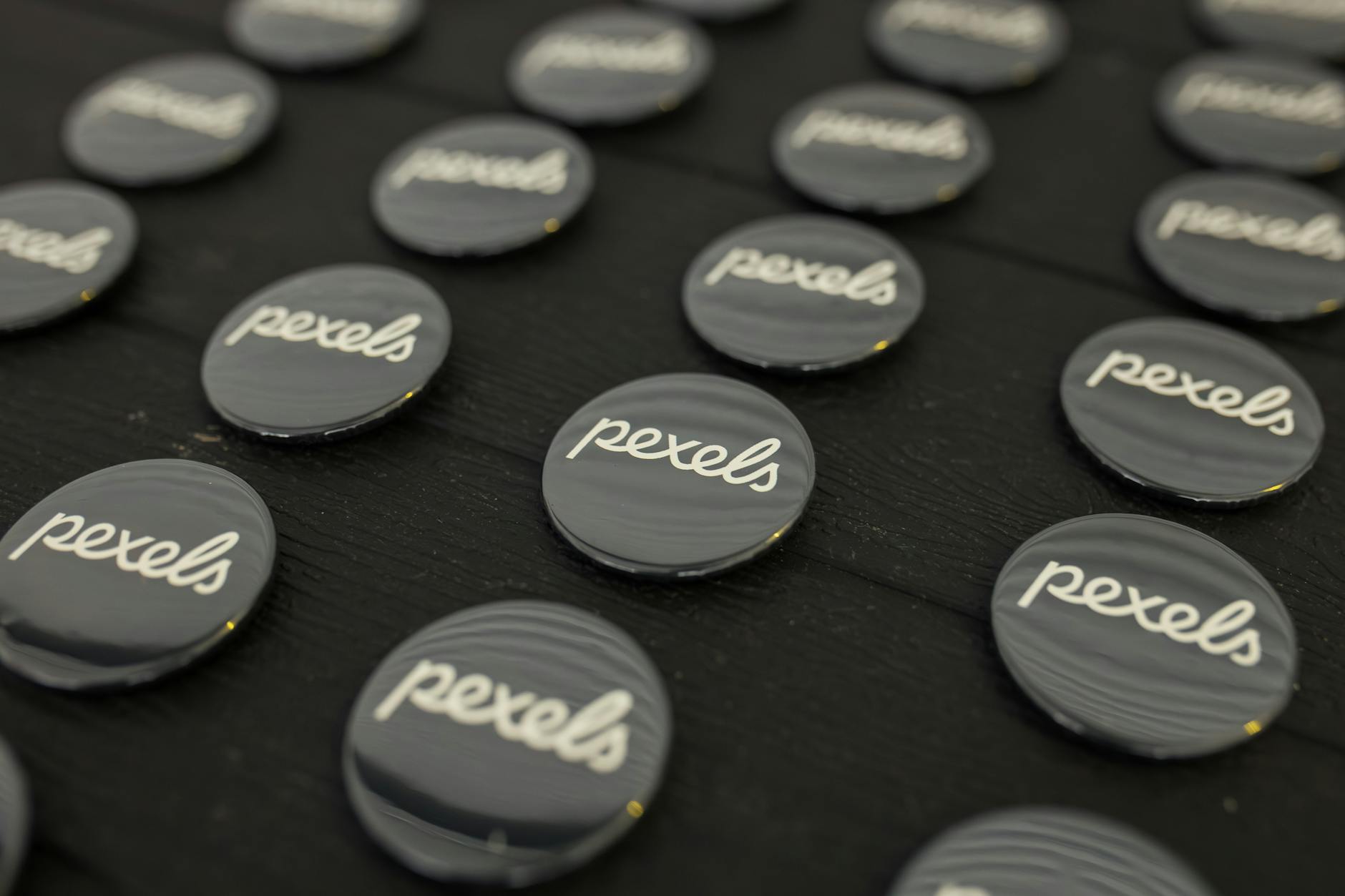
There’s a reason branded merchandise has remained one of the most effective marketing tools in Australia for decades — it puts your logo, message, and identity directly into people’s hands. But not all custom brand merch is created equal. A thoughtfully selected, well-designed piece of branded merchandise can spark genuine connection with your audience. A poorly chosen item ends up in the bin within a week. The difference between the two usually comes down to strategy, product selection, and understanding what actually resonates with your target audience. Whether you’re a Sydney-based marketing team preparing for a trade show, a Melbourne football club kitting out your squad, or a Brisbane small business looking to reward loyal customers, this guide will walk you through everything you need to know.
What Is Custom Brand Merch and Why Does It Matter?
Custom brand merch refers to any physical product that has been decorated with your organisation’s branding — typically a logo, colour scheme, tagline, or some combination of these. It’s a broad category that spans everything from embroidered polo shirts and screen-printed tote bags to laser-engraved drinkware and sublimated sports jerseys.
The real value of branded merchandise lies in its staying power. Unlike a digital ad that disappears the moment someone scrolls past, a quality branded item sits on a desk, gets worn to the gym, or travels in someone’s bag for months — sometimes years. Each time it’s used, it generates a brand impression without any additional spend. Research consistently shows that recipients of promotional products recall the brand on those items at remarkably high rates.
For Australian businesses, the stakes are especially relevant. Competition is fierce across most industries, and building genuine brand recognition requires showing up consistently. Business promotional merchandise bridges the gap between your digital presence and the real, tangible world your customers and staff actually live in.
Choosing the Right Products for Your Brand
One of the most common mistakes organisations make when ordering custom brand merch is choosing products based on what’s cheapest rather than what’s most useful or relevant to their audience. The best branded merchandise is something the recipient will actually use repeatedly in contexts that are visible to others.
Know Your Audience First
Before you browse product catalogues, think carefully about who you’re buying for. A Perth mining company sourcing workwear for contractors has vastly different needs from an Adelaide yoga studio giving away reusable bags at a wellness expo. The products that work for one audience may be completely irrelevant to another.
Ask yourself:
- What does my audience do day-to-day?
- Where will they encounter and use this product?
- What kind of product would they genuinely value?
- Does the item reflect my brand’s values and identity?
For example, an eco-conscious brand in Hobart might prioritise sustainable promotional products like bamboo drinkware or recycled tote bags, while a Canberra government department might lean toward practical desk items like branded notebooks and premium pens.
Popular Categories Worth Considering
Some product categories consistently perform well across diverse audiences:
Apparel remains one of the highest-impact categories in branded merchandise. A well-made t-shirt, polo, or hoodie becomes a walking advertisement every time it’s worn. Promotional clothing in Australia spans everything from casual tees for events through to hi-vis vests for Melbourne construction sites and embroidered polos for corporate teams. The key is choosing quality garments — cheap fabric reflects poorly on your brand.
Drinkware has surged in popularity alongside Australia’s café culture and growing focus on hydration and sustainability. Reusable coffee cups, stainless steel water bottles, and branded mugs all enjoy long usage cycles and high daily visibility.
Bags and totes are perennially popular, particularly for events and conferences. A customised tote bag distributed at a Gold Coast conference will carry your logo around the venue all day — and potentially far beyond. Choose a sturdy, attractive design and recipients will keep using it.
Stationery like Parker pens or branded notebooks continues to perform especially well in corporate and professional settings where quality signals credibility.
Novelty and lifestyle items — from personalised stubby holders for sporting clubs and events through to custom tea towels for community organisations — allow brands to inject personality and humour into their merchandise.
For a broader overview of what’s resonating right now, take a look at the most popular promotional products in Australian workplaces.
Decoration Methods: Getting the Look Right
How your branding is applied to a product is just as important as the product itself. Different decoration methods suit different materials, budgets, and artwork styles.
Screen Printing
Screen printing is the go-to for large runs of branded apparel and bags. It produces vibrant, durable results and becomes very cost-effective at volume. It works best with solid, defined artwork and is ideal for t-shirts, tote bags, and other flat substrates. Minimum order quantities (MOQs) typically start around 25–50 pieces depending on the supplier.
Embroidery
Embroidery adds texture and a premium feel that’s hard to replicate with other methods. It’s the standard choice for polo shirts, caps, and workwear. The thread creates a three-dimensional finish that communicates quality and professionalism. It does come with slightly higher per-unit costs, but for corporate gifting and staff uniforms, the investment is usually worthwhile.
Sublimation
Sublimation printing infuses dye directly into synthetic fabrics or specially coated hard goods, producing full-colour, all-over prints that are exceptionally vibrant and durable. It’s widely used for sports jerseys, activewear, and certain drinkware items. Note that sublimation only works on white or very light-coloured substrates.
Laser Engraving and Pad Printing
For hard goods like metal drinkware, USB drives, and awards, laser engraving is a popular choice. It creates a precise, permanent mark with no ink — ideal for premium items. Pad printing is commonly used for smaller products like pens and keyrings where fine detail matters.
Budgeting for Custom Brand Merch
Merch budgets vary enormously depending on the organisation size, campaign objectives, and product types. Here are some practical guidelines to help you plan:
Set a per-unit budget before you start browsing. It’s easy to fall in love with a premium product that blows your budget. Decide upfront how much you’re willing to spend per recipient — even a rough figure like $5, $15, or $50 helps narrow your options significantly.
Account for setup fees. Most decoration methods involve a one-time setup fee (for screens, digitising, or templates) that ranges from around $40 to $150 depending on the method and artwork complexity. These fees are worth factoring in, especially for smaller runs where they represent a larger proportion of total cost.
Order in volume where possible. Branded merchandise pricing is almost always tiered, meaning the unit cost drops significantly as quantity increases. If you know you’ll need 500 units over the next 12 months, it’s often worth ordering them all at once rather than placing multiple small orders.
Plan your timeline. Rush orders attract additional fees and often limit your product options. Standard turnaround for most branded merchandise in Australia is 10–15 business days from proof approval, while larger or more complex orders can take longer. If you’re working toward a specific event, always build in buffer time.
Custom Brand Merch for Sports Clubs
Australian sports clubs represent one of the most enthusiastic adopters of custom branded merchandise — and for good reason. Merchandise builds team identity, generates revenue through supporter sales, and attracts sponsors. Whether you’re running a junior AFL club in Melbourne or a cricket association in Darwin, merch is a powerful tool for community building.
Sports clubs typically order a mix of apparel (training tees, jerseys, hoodies), accessories (caps, socks, bags), and event items. Promotional footballs for sports sponsorships are particularly popular for clubs seeking sponsorship or running fundraising campaigns. Custom medals for sales and achievement awards translate well into sporting contexts for presenting at end-of-season presentations.
The key for clubs is to offer merchandise that supporters actually want to wear or display with pride — that means paying attention to quality, design, and sizing. A well-designed hoodie in club colours will sell itself.
Thinking Beyond the Obvious
Some of the most memorable custom brand merch breaks away from conventional categories. For healthcare providers, custom dental care kits create a highly relevant branded touchpoint. Animal shelters and pet-focused businesses have found success with custom pet bandanas, which generate social media buzz when pet owners share photos. For seasonal campaigns, thoughtfully curated Christmas gifts for customers can dramatically strengthen client relationships heading into the new year.
The willingness to think creatively about your merchandise strategy — rather than defaulting to pens and stress balls — is often what separates brands that get noticed from those that don’t. For further inspiration and guidance on building a cohesive merchandise strategy, explore our full brand merch resource hub.
Conclusion: Key Takeaways for Your Custom Brand Merch Strategy
Creating effective custom brand merch isn’t complicated, but it does require intentionality. Here’s what to keep in mind as you plan your next order:
- Lead with audience relevance — the best merch is something your audience will genuinely use and appreciate, not just the cheapest option available
- Choose quality over quantity — a smaller run of high-quality items will generate more brand goodwill than a large run of items that feel cheap
- Match your decoration method to the product and artwork — not every method suits every product, and the wrong choice can undermine an otherwise great item
- Plan ahead and budget holistically — include setup fees, freight, and a buffer on your timeline to avoid rushed decisions and inflated costs
- Think creatively and seasonally — the most memorable merch often comes from unexpected categories or moments that feel personally relevant to the recipient
Custom brand merch, done well, is one of the highest-return brand investments available to Australian businesses and sports clubs. Start with strategy, choose products with purpose, and let your merchandise do the talking.