
Custom Apparel Market Trends in Australia: What to Know in 2026
Discover the biggest custom apparel market trends shaping Australia in 2026 — from sustainable fabrics to bold branding strategies for businesses and clubs.

Written by
Stella Voss
Industry Trends & Stats
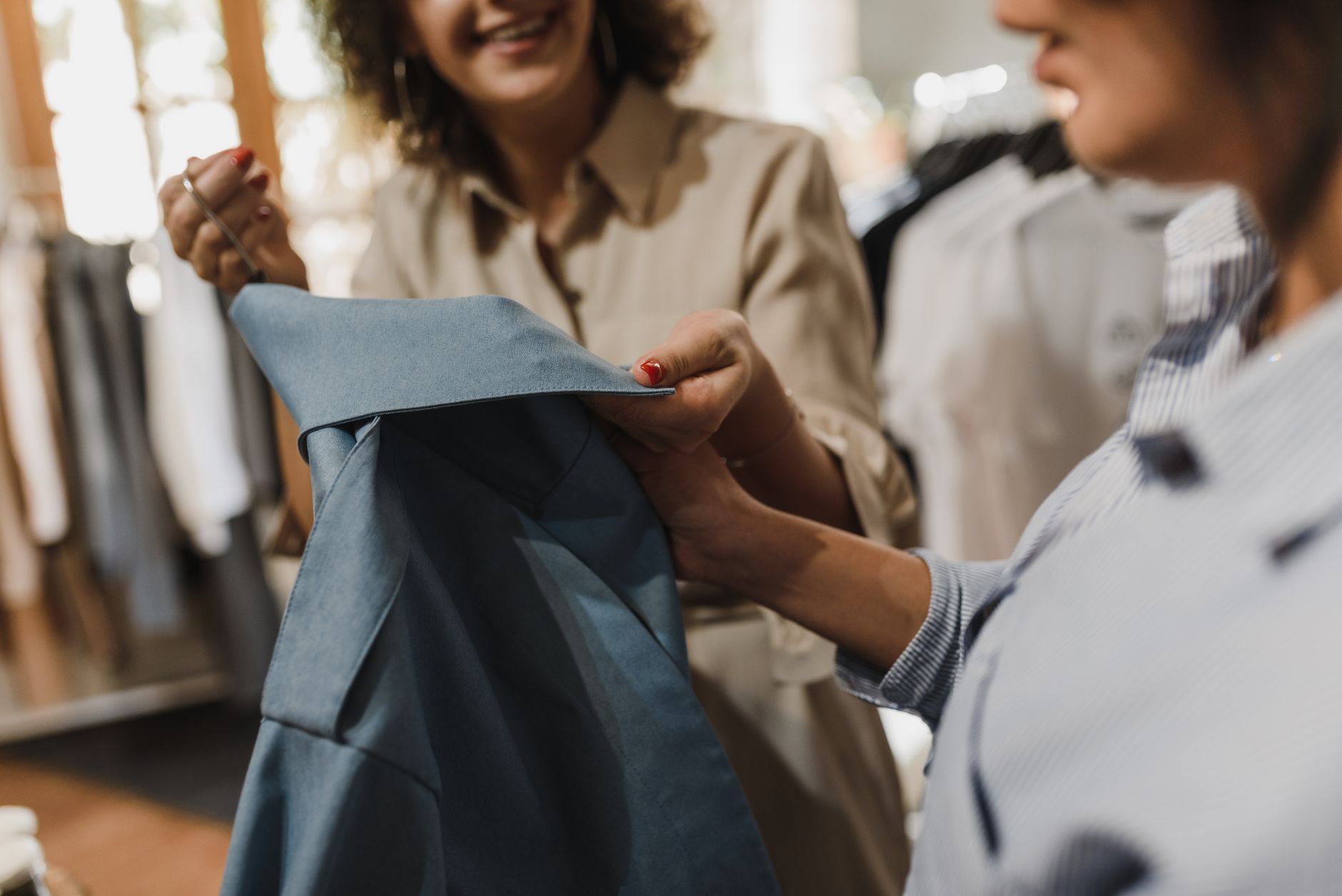
The custom apparel market in Australia is evolving faster than ever — and if your organisation hasn’t revisited its branded clothing strategy recently, there’s a good chance you’re leaving impact (and budget) on the table. From the surge in demand for sustainable fabrics to the growing sophistication of decoration techniques, Australian businesses, marketing teams, and sports clubs are approaching custom apparel in increasingly strategic ways. Whether you’re sourcing team jerseys for a Gold Coast football club or kitting out staff for a Sydney-based corporate rebrand, understanding the current custom apparel market trends in Australia is the first step to making smarter, more effective merchandise decisions.
Where the Australian Custom Apparel Market Stands Right Now
Australia’s promotional and branded apparel sector has experienced significant maturation over the past few years. What was once a relatively straightforward procurement exercise — pick a t-shirt, slap a logo on it, job done — has transformed into a nuanced discipline that intersects design, sustainability, supply chain strategy, and brand storytelling.
The market is being shaped by several converging forces: consumers demanding more ethical production, organisations placing greater emphasis on brand consistency, and advances in decoration technology that make higher-quality results more accessible at lower order quantities. For marketing teams managing everything from conference merchandise to internal gifting, the landscape has never offered more opportunity — or required more informed decision-making.
If you’re exploring your options across the broader merchandise ecosystem, our comprehensive guide to promotional clothing in Australia is a useful starting point for understanding the full range of custom apparel available to Australian organisations.
Sustainability Is No Longer Optional
Arguably the most significant shift in the custom apparel market trends in Australia right now is the mainstream adoption of sustainable materials and ethical production practices. This isn’t niche territory anymore — it’s expected.
Organic cotton, recycled polyester (often derived from PET plastic bottles), bamboo blends, and GOTS-certified fabrics are increasingly appearing in product catalogues alongside conventional options. For organisations in sectors like government, education, and healthcare, demonstrating a commitment to sustainability through their branded merchandise choices has become part of a broader ESG (Environmental, Social and Governance) narrative.
A Melbourne council sourcing custom polo shirts for their events team, for example, is now far more likely to specify recycled or organic fabric than they would have three years ago. Similarly, a Brisbane university ordering orientation week merch is actively choosing eco-conscious options to align with student expectations and institutional values.
This dovetails with a wider trend toward genuinely sustainable promotional products — our resource on eco-friendly promotional products and our guide to sustainable product choices for Australian organisations both explore this shift in depth.
What Sustainable Apparel Looks Like in Practice
- Recycled polyester is especially popular for sports and activewear due to its moisture-wicking properties and durability
- Organic cotton is a strong choice for casual tees and tote bags, particularly for brand campaigns targeting socially conscious audiences
- Bamboo-blend fabrics are gaining traction for staff uniforms and corporate gifting, particularly in the wellness and hospitality sectors
- OEKO-TEX certified fabrics are increasingly specified by corporate buyers wanting assurance around chemical safety
The Premiumisation of Branded Apparel
Another standout trend in Australia’s custom apparel market is the move toward premium, longer-lasting garments. The “pile of cheap t-shirts no one wears” approach is rapidly falling out of favour — especially among marketing teams who understand that branded clothing only delivers ROI when it’s actually worn.
Organisations are now investing more per unit in exchange for garments with better fit, superior fabric, and a more refined finish. Heavyweight cotton tees, structured caps with proper crown shaping, and performance polos with ergonomic cuts are replacing lower-grade alternatives in many branded merchandise programmes.
This shift makes sense from a brand perspective. A well-made hoodie with a cleanly embroidered logo will be worn regularly for years, generating ongoing brand impressions. A flimsy singlet with cracked screen printing? It ends up in the bin after two washes — and does nothing for your brand in the meantime.
For sports clubs in particular, this trend is resonating strongly. A Perth AFL club kitting out players and supporters is now thinking carefully about garment quality as an extension of club identity. Related ideas around sports sponsorship merchandise are explored in our post on promotional footballs for sports sponsorships in Australia.
Decoration Method Trends Shaping the Market
Decoration preferences are evolving in parallel with product choices. Here’s what’s gaining and losing ground across the Australian custom apparel market:
Embroidery Is Having a Renaissance
Embroidery — particularly on polos, caps, and jackets — has seen a resurgence as organisations seek a more premium, tactile finish. It conveys quality and permanence in a way that printed alternatives often can’t match. The technique is especially popular among corporate clients, real estate agencies, and professional services firms.
DTG (Direct-to-Garment) Printing Is Expanding Access
Direct-to-garment printing technology has advanced significantly, making it possible to produce photo-quality, full-colour designs on fabric with no setup fees and low minimum order quantities. This is a game-changer for smaller sporting clubs, startup businesses, and event organisers in cities like Adelaide and Canberra who don’t have the budget or volume to justify traditional screen printing runs.
Screen Printing Remains King for Volume
Despite the rise of digital alternatives, screen printing remains the go-to decoration method for large volume runs — think 200-plus units — due to its cost efficiency and vibrancy at scale. It’s particularly strong for event merchandise, school sports days, and charity run t-shirts where consistency across large quantities is critical.
Sublimation for Performance Wear
Full-colour sublimation continues to grow in popularity for sports jerseys, cycling kits, and activewear. The ability to produce all-over prints with zero cracking or peeling makes it ideal for high-performance garments. Darwin-based sporting clubs operating in extreme heat conditions, for instance, are increasingly choosing sublimated performance fabric over standard cotton options.
The Rise of Seasonally Driven Merchandise Strategies
Smart organisations are increasingly thinking about custom apparel through a seasonal lens rather than as a one-off purchase. This means planning branded clothing ranges that address the full calendar — lightweight cotton tees and caps for summer events, and quality fleece hoodies and soft-shell jackets for the cooler months.
In Australia’s varied climate, this matters more than most people realise. An organisation operating across multiple states needs to consider that while a Brisbane team might be comfortable in a polo year-round, their Melbourne counterparts will need layering options from May through September. Our guide to winter branded gifts for suppliers explores this seasonal thinking in more depth.
Custom Apparel Market Trends in Australia: The Tech Integration Factor
An emerging trend worth watching is the integration of technology into both the ordering process and the products themselves. QR codes embedded in garment tags, NFC-enabled patches on corporate jackets, and augmented reality mockup tools that allow buyers to visualise branded products before committing to an order — these are all becoming more commonplace.
On the ordering side, real-time digital proofing, online client portals, and integrated artwork management systems are reducing the back-and-forth that has historically slowed down the approval process. For marketing teams juggling multiple campaigns simultaneously, this operational efficiency is genuinely valuable.
And it’s worth noting that apparel rarely operates in isolation within a merchandise programme. Branded clothing is typically part of a broader kit that might include drinkware, tech accessories, and stationery. Stay across related trends in promotional drinkware trends in Australia, and explore how promotional wireless chargers in Melbourne are becoming increasingly common additions to corporate merchandise bundles.
Workwear and Hi-Vis: A Growing Specialist Category
The intersection of branded apparel and workplace safety compliance is a category that continues to grow, particularly in construction, logistics, and government infrastructure projects. Customised hi-vis workwear — embroidered or printed with company logos — is now standard practice across many Australian industries.
Organisations tendering for government contracts or operating in regulated environments have specific AS/NZS compliance requirements to meet, which adds a layer of complexity to the procurement process. Our resource on promotional hi-vis vests in Melbourne covers this in detail for those navigating the workwear category.
Practical Considerations for Buyers in 2026
Understanding the trends is one thing — translating them into smart purchasing decisions is another. Here are a few practical tips for anyone ordering custom apparel in Australia right now:
- Request samples before committing to a full run — fabric weight, cut, and colour can vary significantly between products that look identical on a screen
- Build in adequate lead time — sustainable and premium products often require longer production windows, sometimes four to six weeks for larger orders
- Plan for size distribution carefully — poorly planned size ratios are one of the most common sources of waste in apparel orders
- Consider the decoration method carefully — not every technique works well on every fabric; sublimation requires polyester, and embroidery can be too heavy for lightweight jersey fabrics
- Think about the full merchandise ecosystem — pairing apparel with complementary items like customised tote bags, reusable coffee cups, or reusable straws creates a more cohesive and impactful brand presence
If you’re sourcing at volume, it’s also worth understanding the wholesale market — our guide to promotional products wholesale in Australia and promotional products in Cairns offer useful context for regional buyers and those looking to optimise bulk pricing.
Conclusion: Key Takeaways on Custom Apparel Market Trends in Australia
The Australian custom apparel market in 2026 is dynamic, increasingly sophisticated, and rich with opportunity for organisations willing to approach it strategically. Whether you’re a marketing manager in Sydney planning a product launch campaign, a Hobart sports club refreshing your supporter range, or an Adelaide business investing in staff uniforms, the trends shaping this market are directly relevant to your decisions.
Here are the key takeaways:
- Sustainability is mainstream — eco-friendly fabrics and ethical production are now expected across most sectors, not just progressive ones
- Premiumisation is driving ROI — better-quality garments worn regularly deliver far greater brand value than cheap alternatives worn once
- Decoration innovation is expanding access — DTG printing and advanced embroidery are making high-quality results achievable at lower MOQs
- Seasonal and integrated thinking wins — the most effective merchandise strategies treat apparel as part of a year-round, multi-product brand programme
- Technology is streamlining the process — digital proofing, online portals, and smarter ordering tools are making the procurement experience faster and more collaborative